By Claudia, PADI instructor and owner of Happy Dive Retreat
I’ve been diving Maumere Bay since 1998, and I still love it. It’s a safe place to dive when your operator knows the sites, briefs you properly, carries the right signalling gear and keeps a crew watching your bubbles the whole time.
On 4 October 2026, four divers went missing in strong currents near Pulau Panga Batang while diving with another operator. The news worried me a lot, and I was very relieved when we heard all four had been found alive.
Since then, a few guests and friends have asked me how we keep our divers safe. So I wanted to write it down properly, along with what I’d ask any dive centre in Maumere before getting on the boat.
What happened near Pulau Panga Batang?
Six people went diving near Pulau Panga Batang, in Sikka regency, at around 10am on Sunday 4 October 2026. The group was two Indonesian guides and four foreign divers, split into two teams of one guide each. The current at the site was reported as strong.
The first team surfaced safely. The second team, a guide and three guests, did not come back up near the boat.
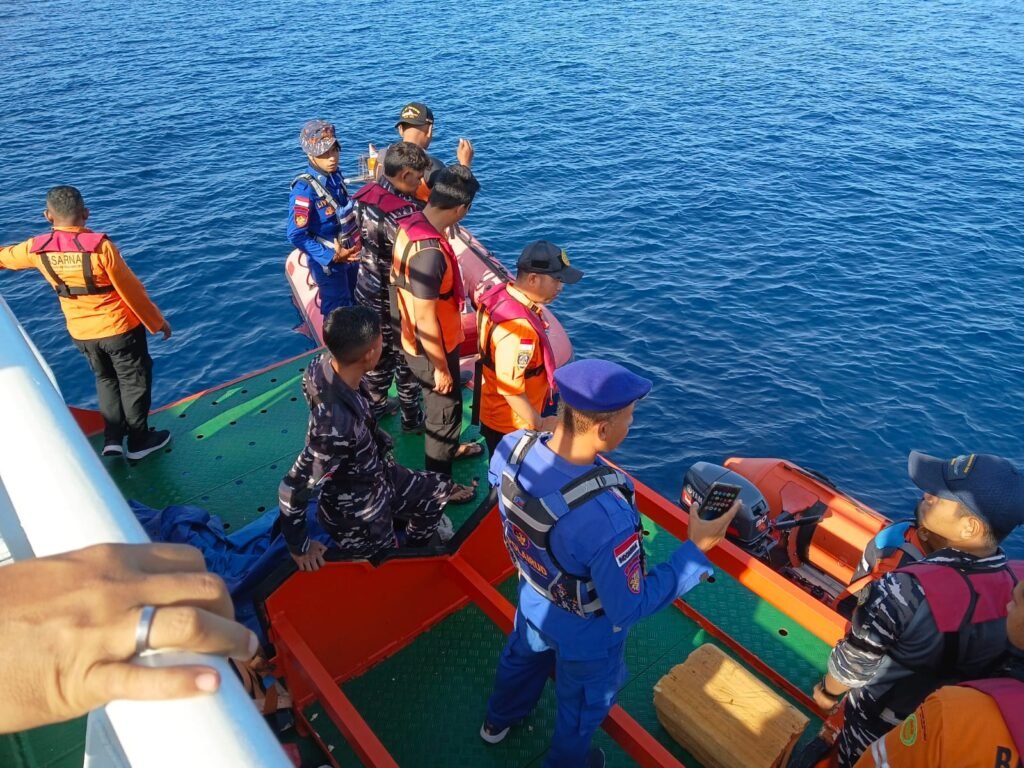
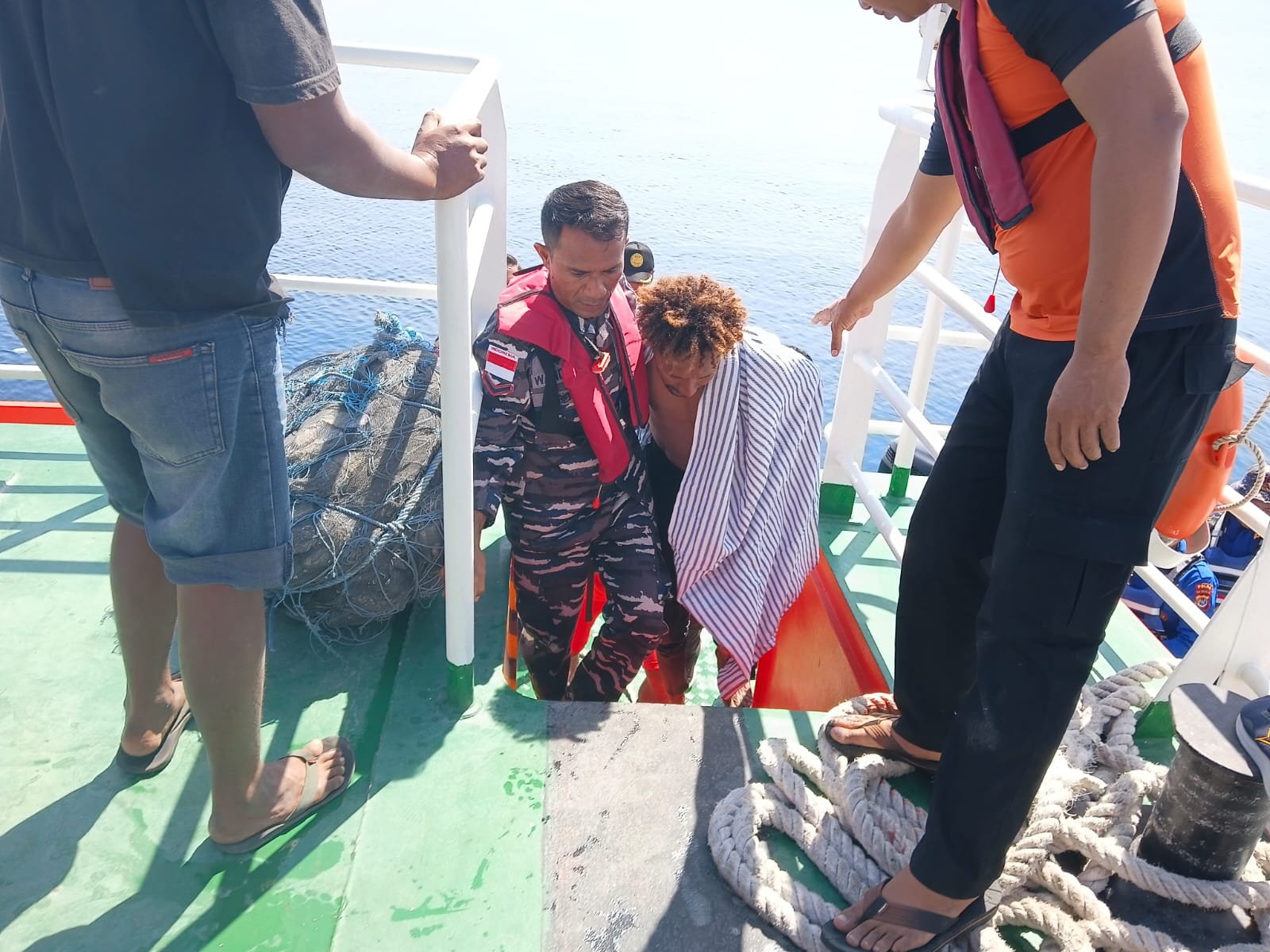
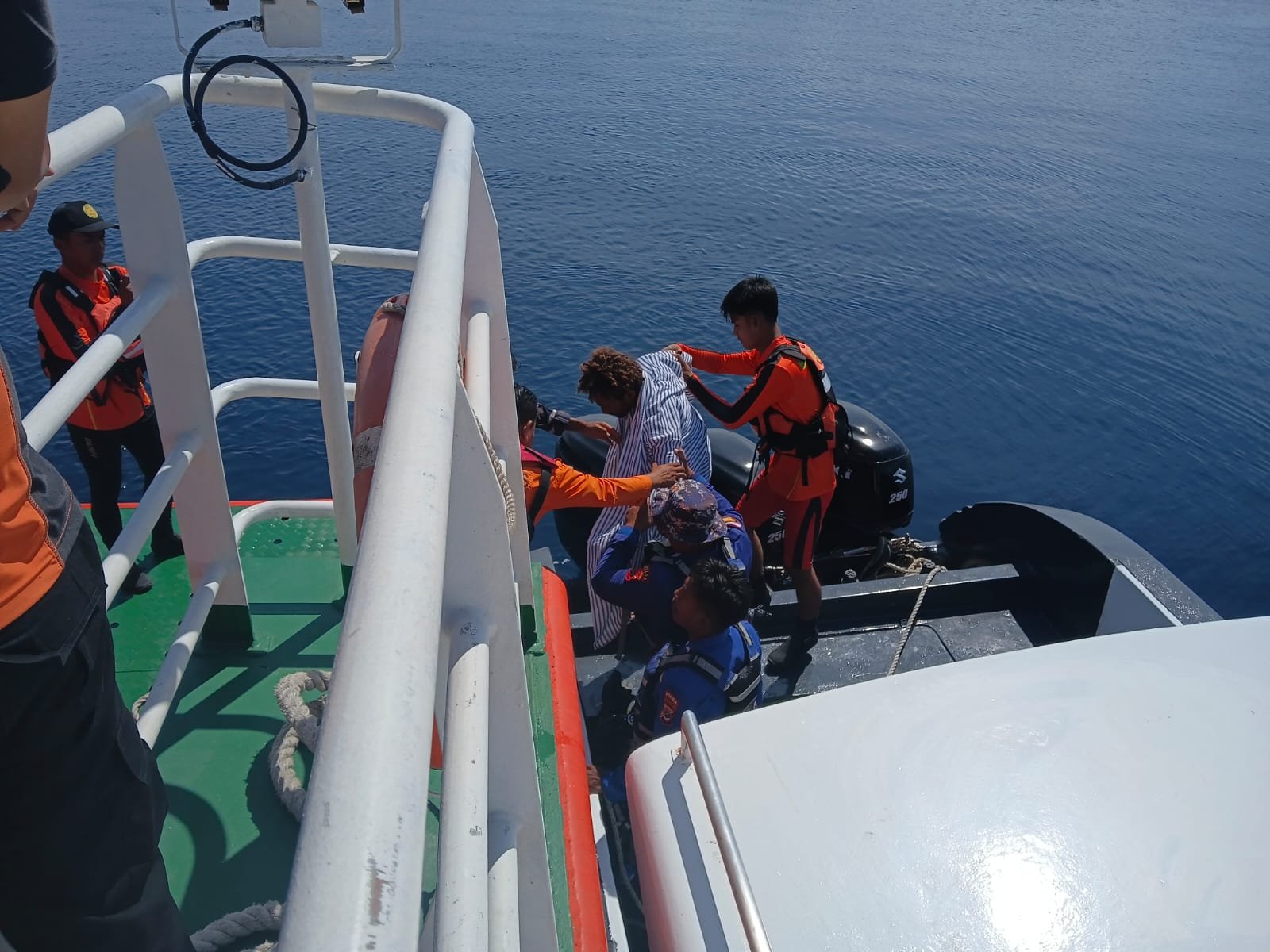
The Maumere search and rescue office launched a search that afternoon. Local fishermen found one diver at around 4.30pm, in the water between Pulau Babi and Nangahale. The guide and the other two divers were found the next morning. Everyone survived.
I’m so glad everyone is home safe. It’s also a reminder of how quickly a normal dive day can turn into a search, even in waters I know well.
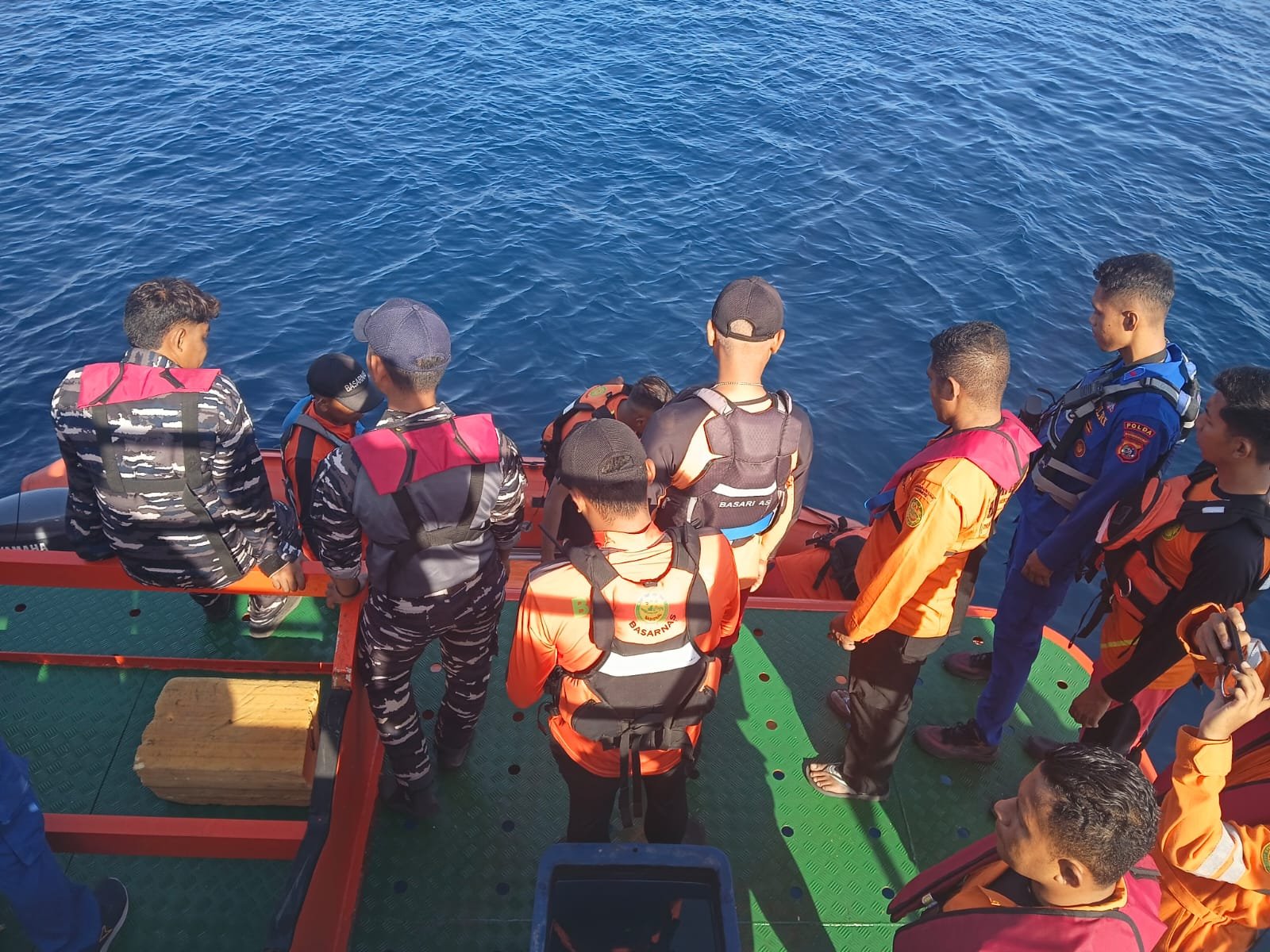
Why do divers get separated in Maumere Bay?
In my experience, divers get separated in Maumere Bay for one of two reasons: current or carelessness.
Current is the part nobody controls. Water around the outer islands can pick up speed and change direction during a single dive, and a group that drifts off its plan can surface a long way from where the boat expects them.
Carelessness is the part we do control. Diving a site in the wrong conditions, a rushed briefing, a guide who lets the group spread out, or a boat crew who stop watching the water. Any one of these can turn a strong current into a search.
Once you’re on the surface, you’re a head in the water. In any kind of swell, that’s hard to spot from a boat even a few hundred metres away.
So for me, the real safety work happens before anyone gets wet. That means choosing a site that suits the day’s conditions, knowing how that site behaves on a running tide, and agreeing a plan for what happens if the group drifts.
What safety gear should every diver carry?
Every boat dive in Maumere Bay should carry surface signalling gear, because a diver on the surface is a small target. Divers Alert Network lists surface marker buoys, signalling mirrors and dive lights among the most effective signalling tools, and DAN recommends carrying a mix of devices, since no single one covers every situation.
Before you dive, check that your group has these:
Item | What it does |
|---|---|
Surface marker buoy (SMB) | A tall, bright inflatable tube. It shows the boat where you are, and can be sent up from underwater before you surface. |
Signalling mirror | Flashes sunlight towards a boat or spotter. It’s visible far further than a waving arm. |
Reef hook | Lets you hold position on the reef in current without grabbing coral, so the group stays together. |
Torch | Signals your position in low light, when an SMB gets hard to see. |
What should a proper dive briefing cover?
A proper dive briefing tells you how the site works today and what to do if things change. For a Maumere Bay dive, you should hear:
- The site layout and the current you can expect
- Where you’ll go in and where the boat will pick you up
- Maximum depth and dive time
- Who your buddy is and who leads the group
- What to do if you lose the group
- How and when to use your SMB
If a briefing skips any of these, ask. I’d always rather answer a question on the boat than have a guest guessing underwater.
How should the boat crew track divers?
The boat crew are your lifeline on a drift-prone dive. While you’re underwater, someone on deck should be watching your bubbles and moving the boat to follow the group.
That means the crew stay awake and on lookout for the whole dive. They count heads before you go in and again when you’re back on board. If a diver or group doesn’t surface where expected, they start looking straight away.
It’s a question I’d ask any operator, and one I’m always happy to be asked: who watches the bubbles while we’re down?
Is the cheapest dive trip in Maumere worth it?
A cheaper dive trip has to save money somewhere. Usually that’s in fewer guides per diver, older equipment, less crew training or a smaller boat team.
None of that shows up on the price list, so ask what you’re paying for. How many divers per guide? When was the gear last serviced? Who stays on the boat? I understand everyone wants a good price. But a few dollars saved on a dive day is not worth an afternoon drifting in open water. Or worse, being pulled down by a current because something was missed.
How Happy Dive Retreat dives Maumere Bay
Happy Dive Retreat is our family-run dive centre and beachfront resort in Wairterang, east of Maumere. My team and I have been diving Maumere Bay since 1998, and this is how we run every dive:
- We know our sites. We’ve studied our dive sites for years, including how the currents move on each one.
- We brief every dive properly. You’ll know the plan, the current and what to do if anything changes.
- Our guides are trained in safety procedures and safe diving practice.
- We carry the right gear. Surface marker buoys, signalling mirrors, reef hooks and torches go on every dive.
- Our boat crew follow your bubbles. They’re trained to track the group and follow us for the whole dive. Nobody sleeps on the boat while you’re underwater.
- Our equipment is properly maintained.
- Safety comes before price. We won’t cut corners to be the cheapest trip in town.
Questions to ask before you book a dive in Maumere
Use this checklist with any Maumere dive operator, including us:
Question | What a good answer sounds like |
|---|---|
How long have you dived these sites? | Years, with specific knowledge of each site’s current |
What does your briefing cover? | Site, current, depth, time, buddy pairs, lost-diver plan |
What signalling gear do you carry? | SMBs, mirrors, reef hooks, torches |
Who watches the boat while we dive? | A trained crew member following the bubbles the whole time |
How many divers per guide? | A small group the guide can keep in sight |
When was the gear last serviced? | A clear, recent answer |
FAQ
Is diving in Maumere safe?
Yes, diving in Maumere is safe with an experienced operator that briefs properly, carries signalling gear and keeps a crew watching from the boat. Most risk comes from current, so local site knowledge matters most.
Are there strong currents in Maumere Bay?
Some Maumere Bay sites, especially around the outer islands, can have strong and changeable currents. A good operator picks sites to suit the day’s conditions and briefs you on what to expect.
What should I do if I lose my dive group?
Follow the lost-diver plan from your briefing. Usually that means a short search, then a safe ascent with your SMB deployed so the boat can find you.
Do I need to bring my own SMB?
It’s worth owning one if you dive often. At Happy Dive Retreat, we carry SMBs, signalling mirrors, reef hooks and torches on every dive.
Dive Maumere Bay with Happy Dive Retreat
If you’d like to know exactly how we’d run your dives, send me a message. I’m always happy to talk you through our sites, our briefings and our boat.
See you in the water,
Claudia